Mould Sampling Methods
First of all, what are they... MOULDS? Moulds are microscopic plant-like organisms, related to mushrooms, yeast and mildew. They can be found everywhere, but mostly they like: shower surfaces, curtains; the area right outside the shower, tub, hot tubs or jacuzzis; window sills (around the window), under kitchen and bathroom sinks, basement, garage, locker rooms, poorly ventilated closets, wallpaper, drywall or insulation, clothing and hockey equipment.
Indoor mould spores indicate mould growth, which indicates mycotoxin production. For example, Stachybotrys sp. (one of the most dangerous black moulds) produces around 170 known mycotoxins. Exposure to mould occurs when people inhale mould spores. Unfortunately, mould is also one of the most common allergens on the planet. Now we can measure and identify spores.
What is a mould count?
A mould count tells us the number of mould spores counted in a standard volume of air at a given time and place. In general, indoor mould spore concentrations should be similar to or lower than outdoor levels. If spores indoor are at an elevated level, this should be a signal for indoor amplification of the mould. For some toxic moulds (such as Stachybotrys sp.) even a very low level of spores requires further evaluation. We always use an outdoor sample as a reference.
Mouldchek performs the following types of samplings:
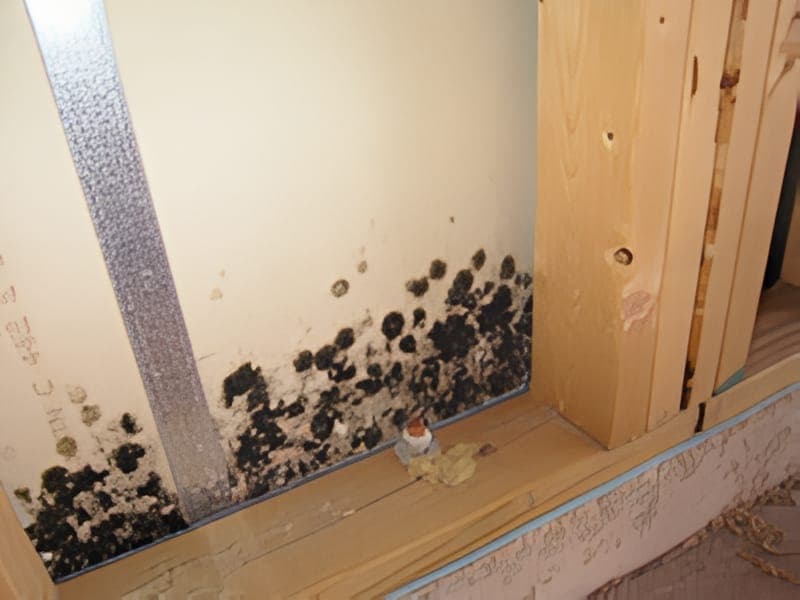
Bulk samples (wood fragments, wallpaper, carpet segments, drywall, mattress fragments, clothes, furniture) for Direct Microscope Analysis (DMA). This is the best type of sampling for visual mould growth. Samples will be examined under the microscope for mould growth. Mould types present on the sample will be identified and reported in rank order.
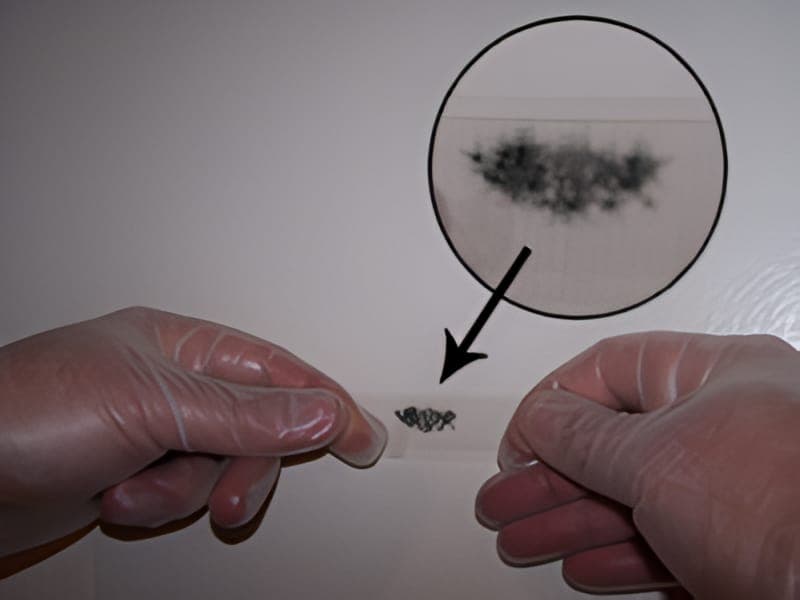
Tape-lift for Direct Microscope Analysis. These samples can be collected using clear tape by pressing the adhesive side of the tape to a test surface and removing the tape with a steady force. This sampling method is very useful for visual mould growth. Mould types present on the sample will be identified and reported in rank order.
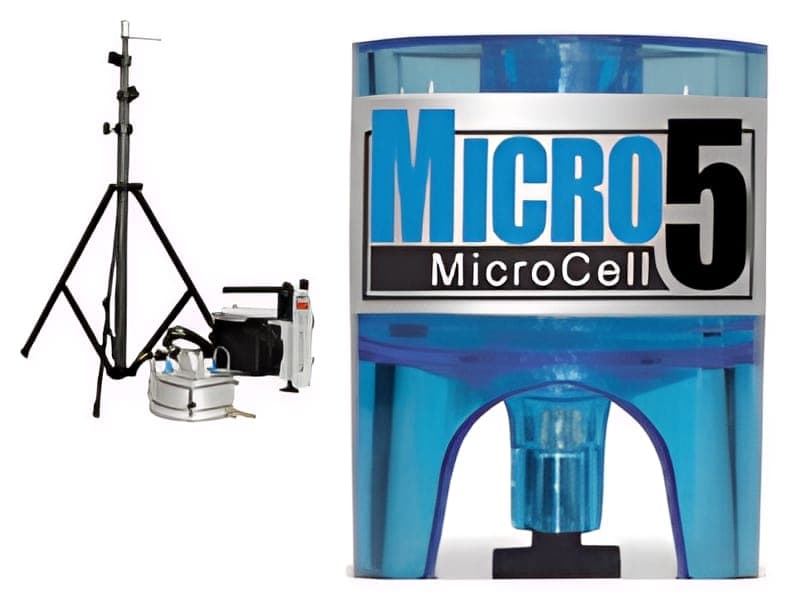
Air Sampling or Spore Trap method. We work with 2 types of cassettes for spore trap analysis. Sample analysis includes identification of all fungal (mould) spores present, quantification to spores per cubic meter of air (spores/cubic meter) and a general assessment of mould fragments and non-fungal (hair, dust, dog/cat hair and etc.) debris. Air samples (Air-O-Cell and Micro5) are taken before and after mould remediation. This type of sampling has a big advantage in revealing hidden moulds, and is part of our indoor air quality assessments.
We use these methods in homes and commercial buildings across Toronto, York Region and the GTA — including black mould testing, inspections before a purchase, and visits after water damage. If food mould is your concern, see mould on food. Cost and turnaround are quoted before we book. To order a test, contact us.