Aspergillus spp.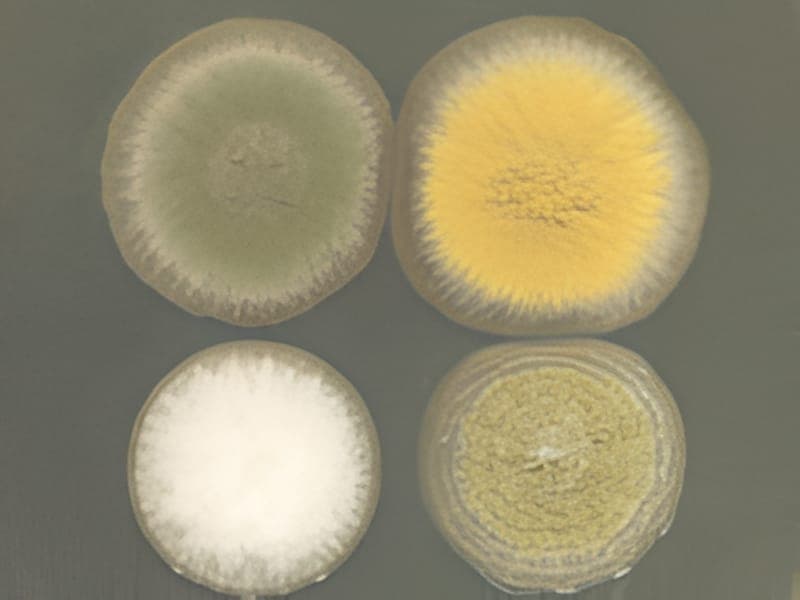 | Found on carpets, wallpaper, drywall, wood, basement, bathrooms, kitchen and soil | Clinical syndromes Hay fever, Asthma, Humidifier lung, Malt worker's lung, Compost lung, Wood trimmer's disease, Straw hypersensitivity, Farmer's lung, Oat grain hypersensitivity, others. |  |
|---|
Alternaria sp.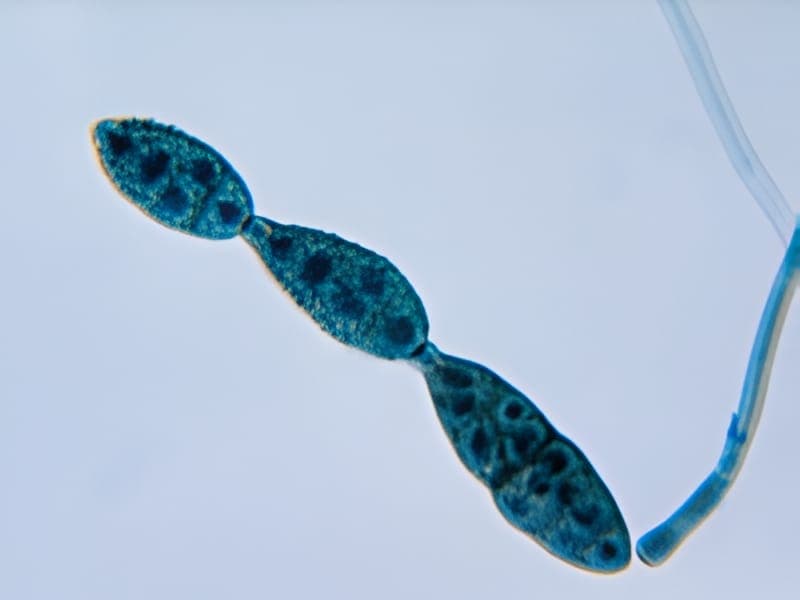 | Found on wide variety of substrates from carpets and window frames to soil and plants | Clinical syndromes Hay fever, Asthma, Humidifier lung, Compost lung, Wood trimmer's disease, Straw hypersensitivity, Farmer's lung, nasal and subcutaneous lesions, infections in immunocompromised individuals. Major plant pathogens. Alternaria spp. have emerged as opportunistic pathogens particularly in patients with immunosuppression, such as bone marrow transplant patients and AIDS patients. | 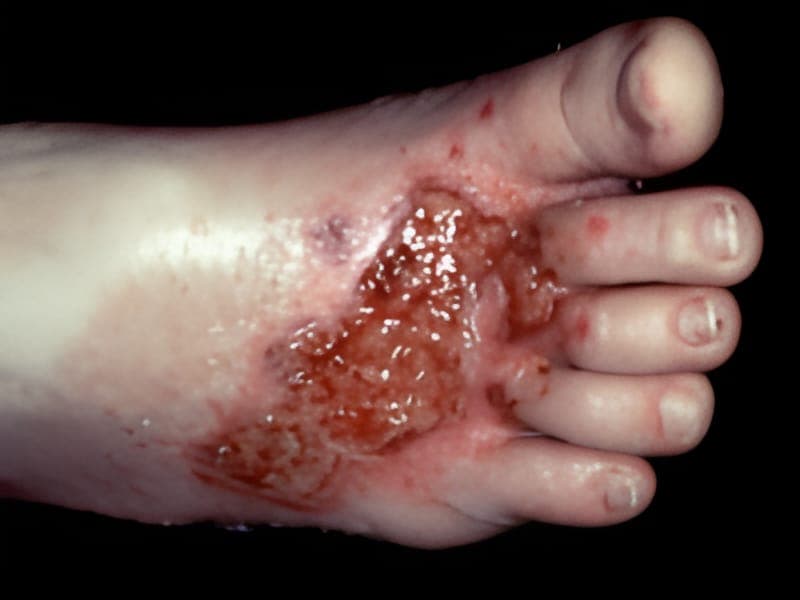 |
|---|
Candida albicans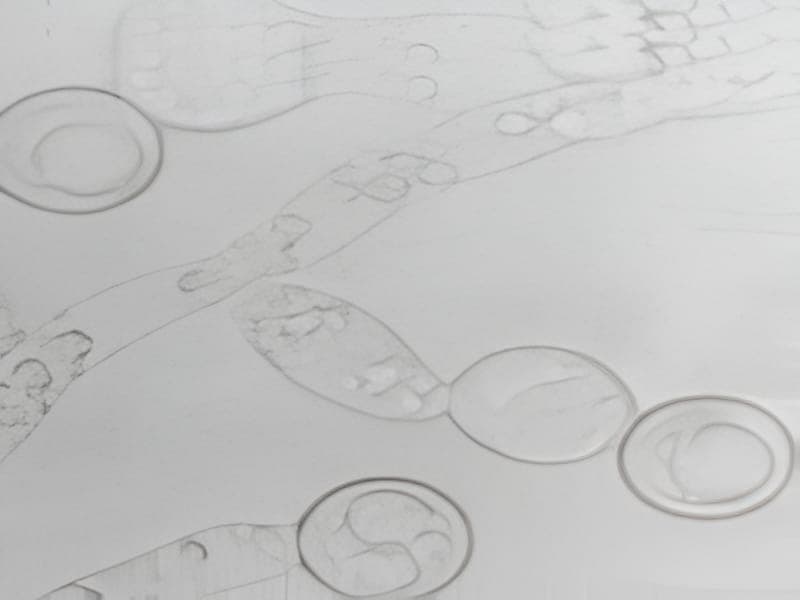 | Found on naturally lives in each gastrointestinal tract, mucous membranes and on the skin | Clinical syndromes When our body's ecosystem becomes imbalanced Candida overgrowth can occur, thus allowing it to attack any organ or system in our body. | 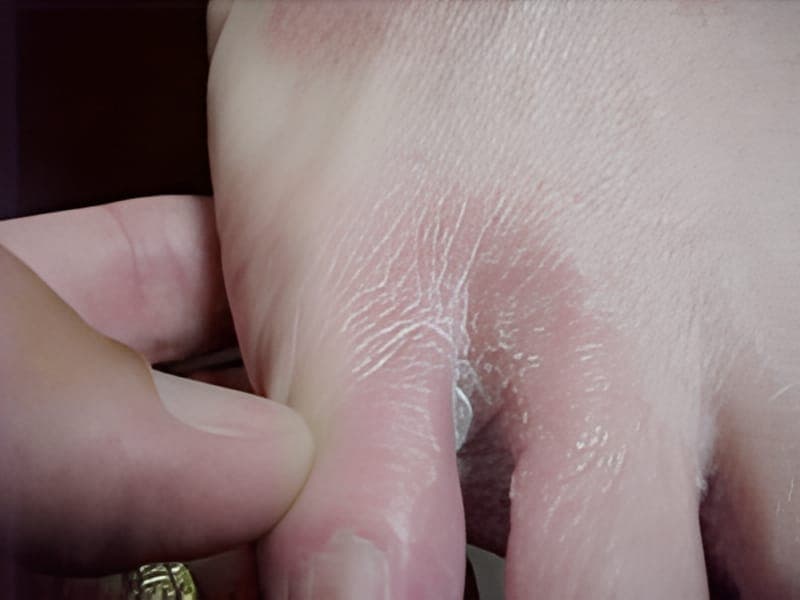 |
|---|
Chaetomium spp.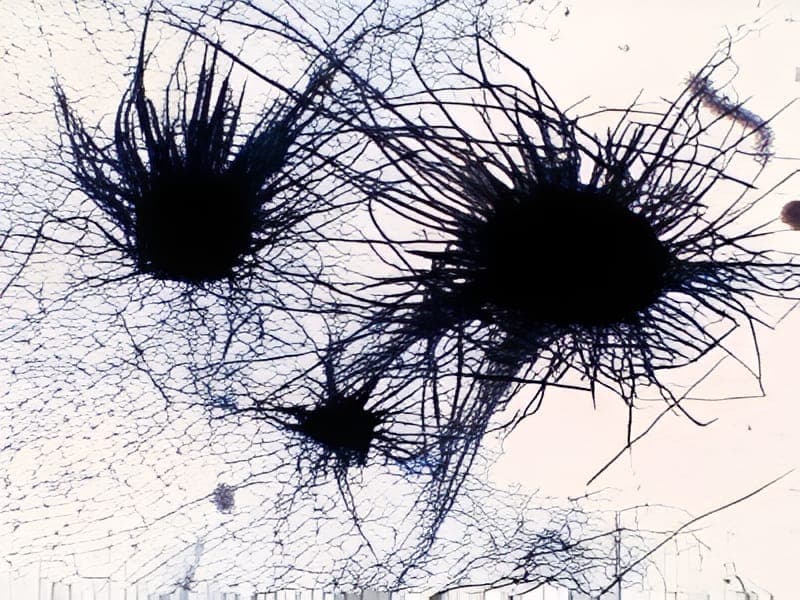 | Found on carpets, wood, mattresses, soil, air, and plant debris | Clinical syndromes Hay fever, Asthma, rare cause of nail infections, brain abscess and peritonitis. |  |
|---|
Cladosporium spp.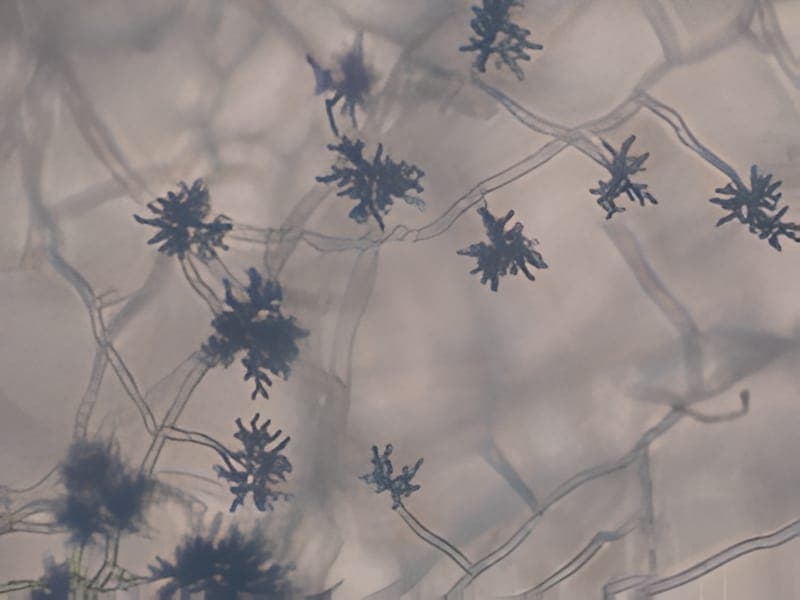 | Found on textiles, window sills, wood, kitchen, bathroom and basement, capable of growing on refrigerated foods | Clinical syndromes Hay fever, Asthma, Humidifier lung, Malt worker's lung, Compost lung, Wood trimmer's disease, Straw hypersensitivity, Farmer's lung, Oat grain hypersensitivity, others. | 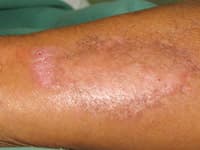 |
|---|
Fusarium spp.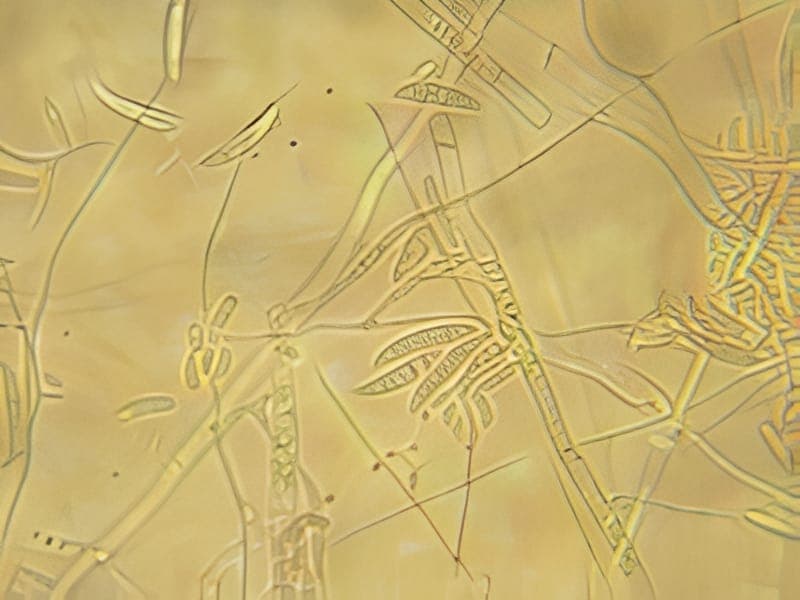 | Found on wallpaper and in the basement, requires very wet conditions | Clinical syndromes Hay fever, Asthma, cause of mycotic eye infections, keratitis, onychomycosis, mycetoma, and disseminated infection in immunocompromised patients, can also cause root rot and seedling blight. | 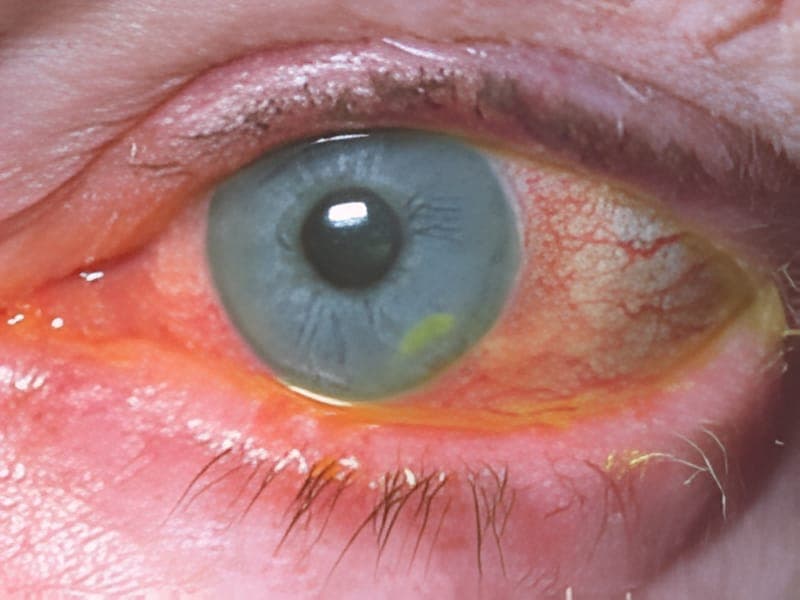 |
|---|
Penicillium sp.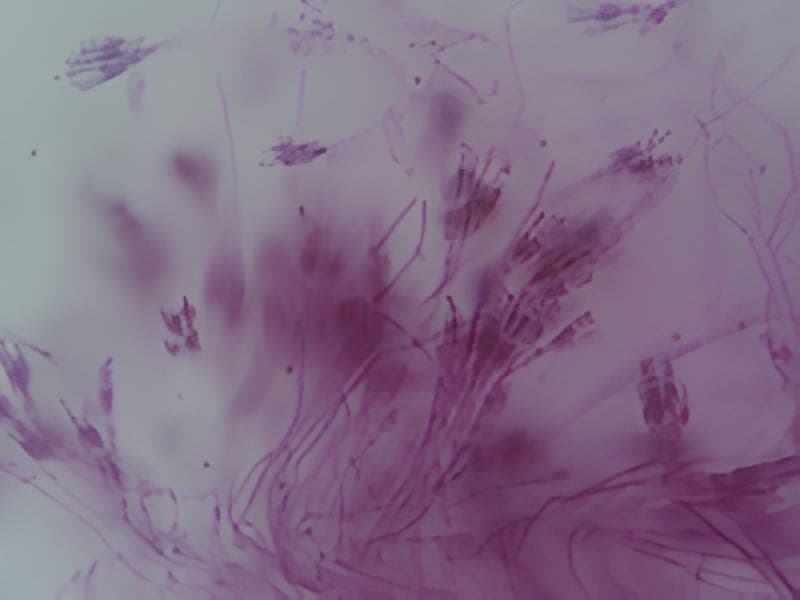 | Found on carpets, wood, mattresses, in the basement and on food | Clinical syndromes Penicillium has been isolated from patients with keratitis, pneumonia, endocarditis, peritonitis, and urinary tract infections. Most Penicillium infections are encountered in immunosuppressed hosts. Penicillium marneffei infection, so called penicilliosis marneffei, is acquired via inhalation and results in initial pulmonary infection. The lymphatic system, liver, spleen and bones are usually involved. Acne-like skin papules on face, trunk, and extremities are observed during the course of the disease. | 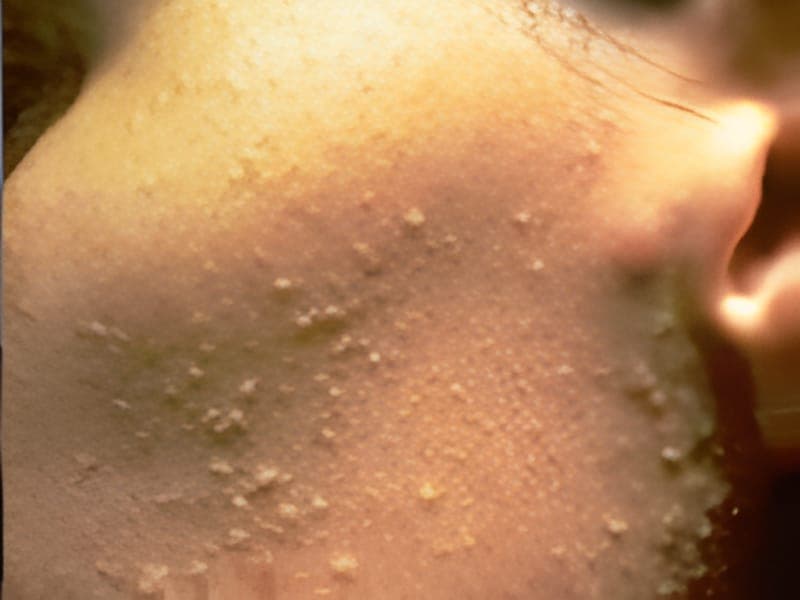 |
|---|
Scopulariopsis sp.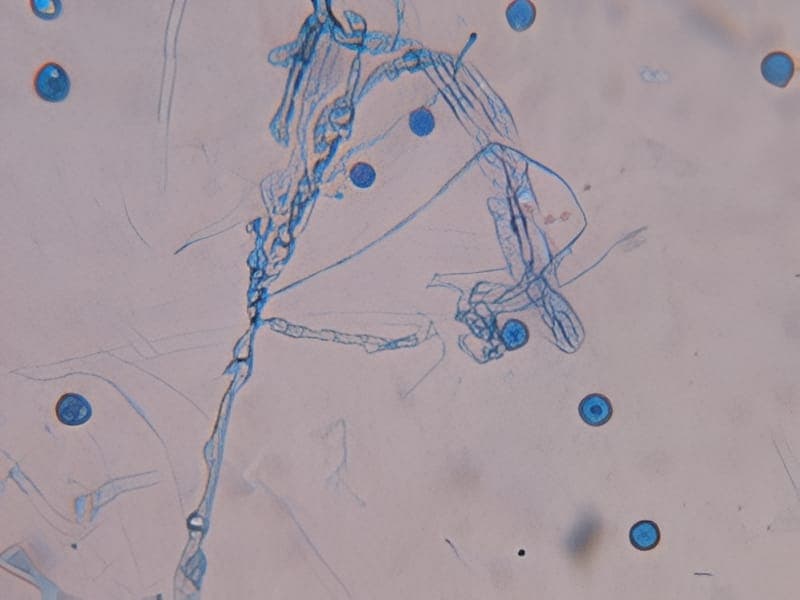 | Found on wallpaper, carpets and wood | Clinical syndromes Skin lesions, mycetoma, invasive sinusitis, keratitis, endophthalmitis, pulmonary infections, endocarditis, brain abscess and disseminated infections due to Scopulariopsis spp. have been reported. Invasive Scopulariopsis infections are seen mainly in immunocompromised hosts, such as bone marrow transplant recipients. | 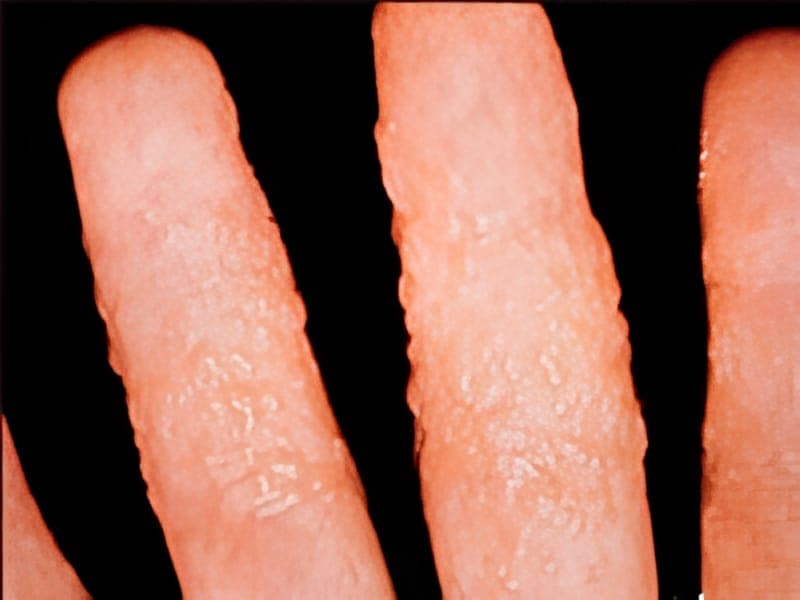 |
|---|
Stachybotrys chartarum (the black mould)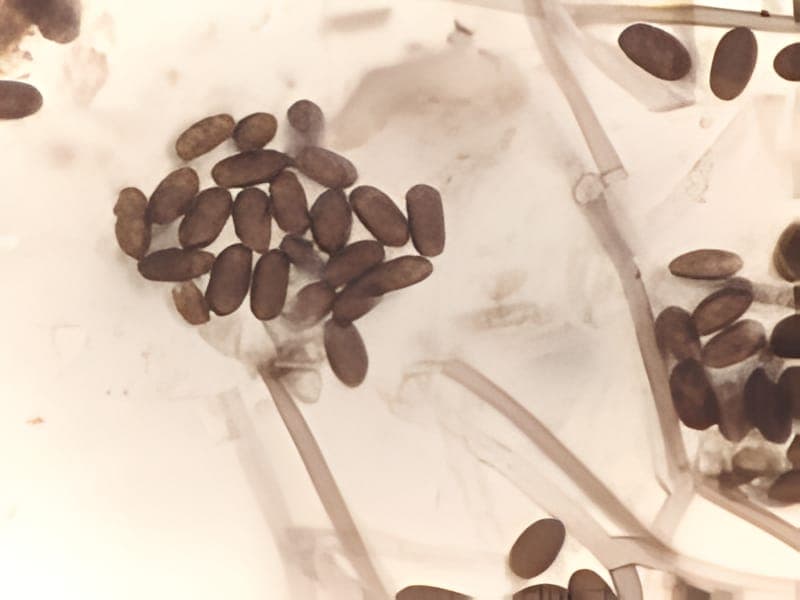 | Found on contaminated grains, tobacco, insulator foams, wallpaper, carpets, basement, drywall, wood, indoor air and water-damaged buildings | Clinical syndromes Stomatitis, rhinitis, conjunctivitis, pancytopenia and neurological disorders developed in animals following ingestion of hay contaminated with Stachybotrys. |  |
|---|