Mould testing after a leak, flood, or wet basement
Water in a Toronto or York Region basement does not have to look dramatic. A washer overflow, a failed window well, a slow supply line behind the drywall — if the material stays damp, mould will use it. The first sign is often not a patch you can photograph. It is a mouldy smell in the porch, the rec room, or the closet under the stairs. The same story shows up on an industrial floor or under an office carpet after a sprinkler event.
Nancy in Aurora called us after a basement flood, alarmed by the smells and anxious to find the source. The inspector sampled air and surfaces; the report came the next day. That visit is on our testimonials page because it is the call we still get every week: the water is gone, the worry is not.
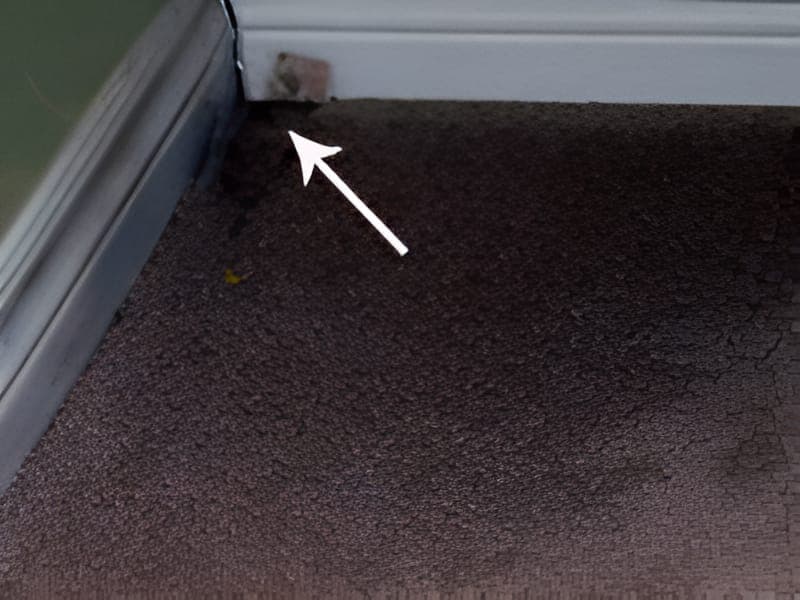
Wet carpet, swollen drywall, and wood that never dried are the usual places. We collect bulk, tape-lift, and air samples and identify the mould in our laboratory. Indoor air is read against an outdoor sample from the same day. If the growth looks dark, read black mould testing — but do not assume the colour of a stain is the name of the species.
What to do before we arrive
- stop the leak and move people and pets off the wet floor
- dry what you can; running a fan on soaked drywall is not the same as knowing what grew
- do not start a mould remediation until you have an identification
We will not be involved in the cleanup. That is a conflict of interest. Insurance professionals, property managers, and homeowners use the report to decide the next step — including after a grow-op, which is a different kind of water-and-mould problem we have already documented for rental owners in Bradford. After someone else has cleaned up, we can come back for air samples — before-and-after clearance is identification, not a second cleanup.
Rush analysis is 24 hours; regular is 3–5 business days. Cost depends on the samples, not on a remediation package we refuse to sell. Call 905-717-2713 or contact us. We attend houses and commercial sites in Toronto, Aurora, Bradford, Vaughan and the GTA. Buying the house after someone else's leak? Use mould inspection before you buy.
Questions we hear
How soon after a leak should I test for mould?
Mould can begin to grow on wet drywall, carpet, and wood within a day or two if the material stays damp. If the leak is fresh, dry the area first. If there is a musty smell, a stain, or the water sat, book a sampling visit.
The basement flooded and now it smells. Is that enough reason to test?
A mouldy smell after a flood or a wet porch is one of the most common reasons people call us — same for a soaked industrial carpet or an office after a sprinkler event. We sample the air and the surfaces of concern and identify what is present so you are not guessing.
Do insurance adjusters use your reports?
Yes. We inspect after leaks, floods, and grow-ops for homeowners, property managers, and insurance professionals. The report is a laboratory identification, not a remediation bid.
Can you test again after someone else cleans up?
Yes. Air samples are often taken before and after mould remediation done by others. That clearance visit is an identification, not a second cleanup.
Should I hire a cleanup company before testing?
If you already know the area is wet, dry it. Do not start a mould remediation until you know what is growing and where. We identify; we do not remediate. That keeps the test independent of the cleanup.